
LIBERTINES & Lies
TWELVE MEN — bound by a deadly secret from their youth, navigate through society, each consumed by a sin that could destroy them all.
a collaboration hosted by BLEWBERRY
Some Sins Don’t Fade
they just learn to wear better masks
— THE Stage.

FOUNDED: 1562 by royal charter under Elizabeth I
LOCATION: Westminster, London
MOTTO: CLAVIS AD VERITATEM ("The Key to Truth")
ENROLMENT (c. 1800): Approximately 220 boys
ST. AUGUSTINE'S ROYAL FOUNDATION
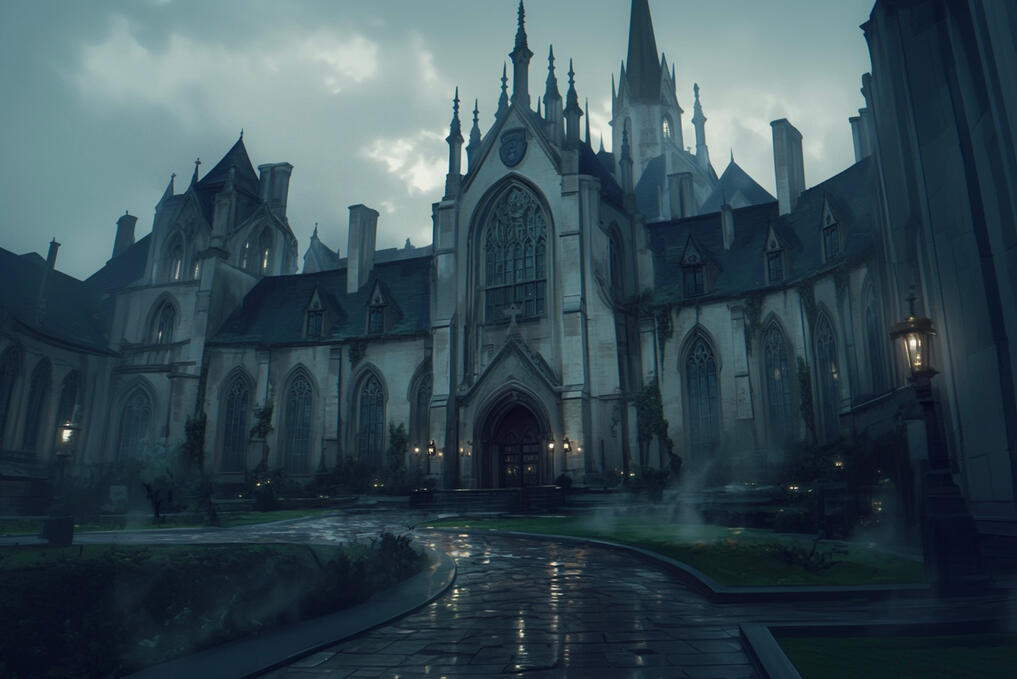
St. Augustine's Royal Foundation stands among England's most respected public schools, educating the sons of aristocrats, landed gentry, and wealthy merchants since the reign of Elizabeth I. The school exists to manufacture gentlemen: polished in classics, trained in rhetoric, and absolutely certain that the world exists for their benefit. Situated in the heart of Westminster, its boys move freely through the capital, interacting with the city's tradesmen, servants, and working population as a matter of daily routine—a privilege that shapes their understanding of rank and entitlement from an early age.Loyalty is the school's highest value. Boys are taught that reputation matters more than truth, that protecting one's own supersedes all other obligations. Informing is the unforgivable sin, punished by ostracism far more brutally than any physical transgression. This code, enforced by boys themselves, creates a world where silence is survival and brotherhood trumps justice.
THE MAKING OF GENTLEMEN.
WHO ATTENDED
Sons of aristocrats and landed gentry
Heirs to estates, titles, and moneyFuture Parliament members, clergy, officers, lawyers
Occasional wealthy merchant's son buying status
Boys from well-connected families with royal or ecclesiastical ties
AGE & FORM STRUCTURE
Lower School (ages 8-12)
New entrants, basic Latin grammar
Constant supervision, minimal freedom
Taught obedience and rote learning
Middle School (ages 12-15)
Greek and Latin texts, translation work
Limited privileges begin
Some hierarchy, but still closely watched
Upper School / Senior Forms (ages 15-19)
Advanced classics, rhetoric, philosophy
Public debate and recitation
Senior privileges, minimal supervision
Freedom to roam Westminster
status mattered more than age. a 16 year old senior outranked a 17 year old in a lower form. seniors had authority over juniors. could punish or command them. enforced school rules unofficially.
WHAT THEY WERE TAUGHT.
FORMALLY
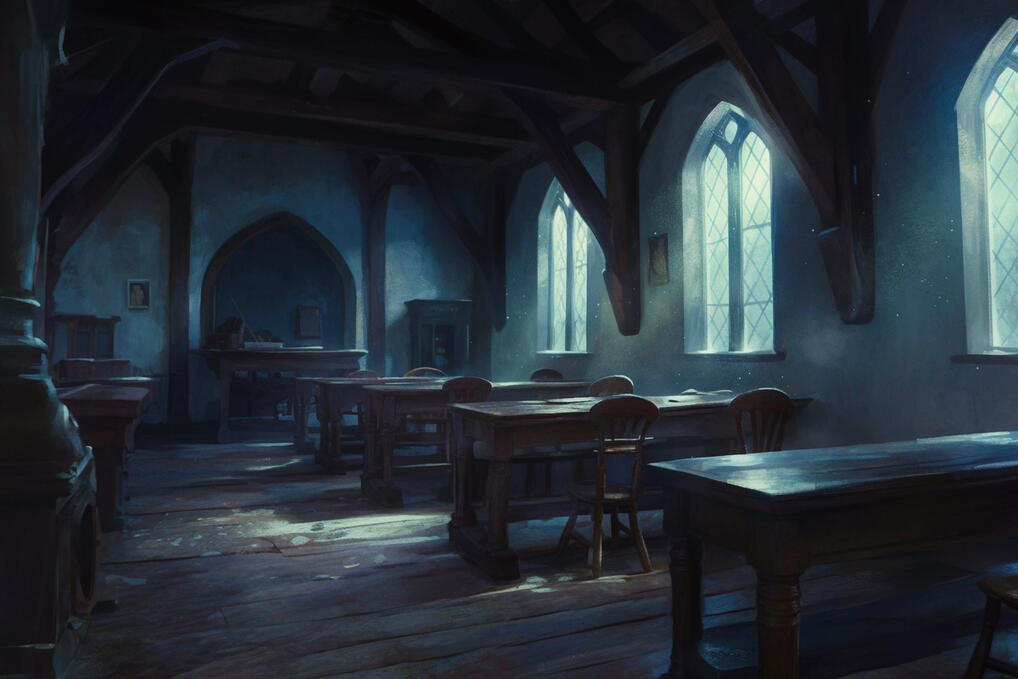
Latin and Greek (constant translation, memorization)
Classical literature (Homer, Virgil, Horace)
Rhetoric and oratory (debate, public speaking)
Logic and moral philosophy
Religious instruction (Bible, chapel, prayer)
INFORMALLY
Honour means protecting your own
Loyalty to class above all
Masculine restraint
Reputation matters more than truth
Informing is worse than any crime
The world exists for gentlemen
NOT TAUGHT
Accountability to the poor
Emotional responsibility
Equality before the law
SOCIAL HIERARCHY AMONG BOYS
At the Top: Senior boys in Upper School. They enforce rules on juniors, control access to privileges, and operate with near-adult freedom.
In the Middle: Middle School boys. They follow seniors, await their turn, and learn the codes they'll soon enforce.
At the Bottom: Lower School boys. They obey everyone, endure casual brutality, and learn early that silence is survival.
SENIOR BOYS’ PRIVILEGES (Ages 16-19)
could
Leave school grounds freely
Roam Westminster
Visit taverns and public houses
Hire boats on the Thames
Interact with tradesmen, stableboys, servants, prostitutes
Organise illicit activities with minimal interference
PUNISHMENT
what truly terrified them wasn’t jail it was: expulsion, family shame, loss of inheritance, being barred from university or commissions. for a senior boy, exposure would mean: “your entire future is over”
LEAVING (Around 17-19)
They went to:
University (Oxford/Cambridge)
The army
Law
Church
Some stayed an extra year if waiting for a placement
— THE Binding.
THE BOATHOUSE TRAGEDY
— 1800, SPRING.
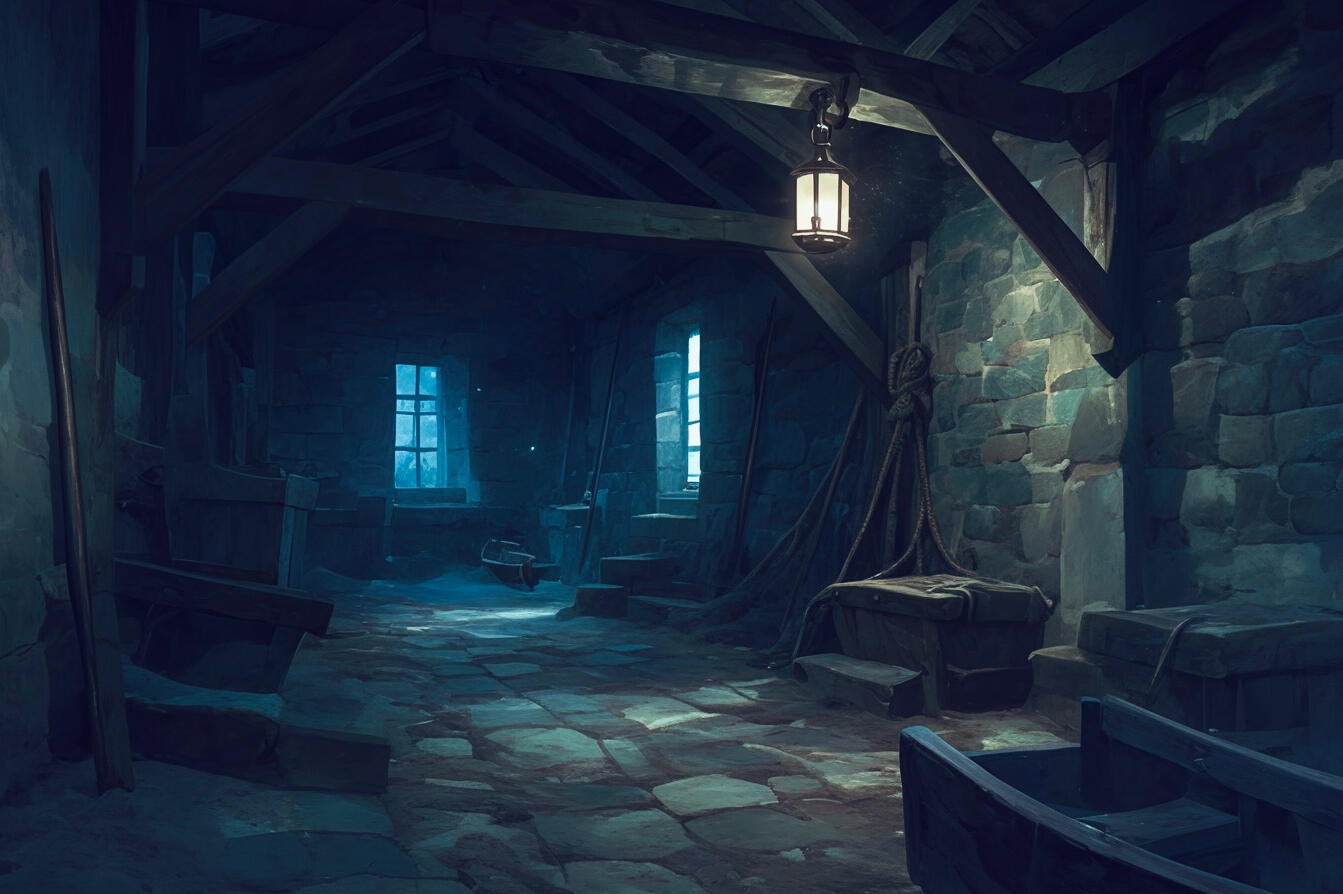
In the spring of 1800, twelve boys from St. Augustine's Royal Foundation gathered after hours in the old boathouse along the Thames. They were senior pupils, the oldest cohort in the school. What brought them together was a mill—an illegal boxing match arranged for sport and wagers.The fighter they had come to watch was one of their own: Nathaniel. Hot-blooded, quick-fisted, loyal to a fault, he fought because he craved the violence, the roar of the crowd, the release. His opponent was Samuel Carter, a stable boy who lived on school grounds. Samuel was known for his strength, built hard by years of labor, and had somehow caught the attention of Magnus weeks earlier.Magnus had noticed Samuel's sister. She worked in the school as a laundry maid, young and unprotected. Magnus made advances and ended up compromising her. Samuel intervened, humiliated him publicly, and left Magnus burning with a resentment he carried into planning this night. It was Magnus who suggested Samuel as the opponent, who whispered to Nathaniel that the stable boy needed taking down a peg, who made sure the match was set.The fight was brutal from the first blow. Nathaniel fought with his whole body, natural violence behind every strike. Samuel fought back with raw strength and desperate pride. The crowd of boys circled, lanterns casting long shadows against stone, wagers shouted and coins changing hands. Xavier counted every pound. Rohan watched with bored interest, drink in hand. Conrad leaned against the wall, a lazy smile playing at his lips, certain nothing could touch any of them, satisfied his cousin Magnus was getting his revenge. Percival stood apart, arms crossed, watching with cold calculation—already planning how to control the outcome either way.The fight turned. Samuel was tiring. Nathaniel was not. A final blow landed—vicious, unthinking, perfect in its violence. Samuel stumbled backward, hit his head on the stone quay edge, and crumpled. The crack echoed off the boathouse walls.Silence.Then panic.Samuel Carter did not move. Did not breathe. He was gone before anyone could pretend to fetch a doctor.In the chaos that followed, some boys froze. Phineas shook against the wall, unable to speak. Lucian stared at the body with hollow apathy and wished himself anywhere else. Damien looked to the Architects, desperate for direction. Piers stood apart, telling himself he was merely present, not part of this. Jonathan watched the Architects take control and burned with helpless resentment. Arthur observed each reaction with interest, filing away who broke first and who held firm.It was Percival who stepped forward. Coldest head among them, clearest sense of consequence. He laid out the plan in low, measured tones: Samuel had fallen from his horse on the towpath. A riding accident. They had discovered the body and done all they could. If any boy spoke otherwise, they all drowned together.Rohan volunteered to move the body. He did it with the same casual indifference he applied to everything—a shrug, a muttered "well, that's unfortunate," and he simply got on with it. He carried Samuel to the towpath, positioned him to suggest a fall, and returned to the group with blood on his sleeves.The Architects—Conrad, Xavier, Percival, Magnus, Rohan and Nathaniel—enforced the story. The witnesses swore silence, some from terror, some from loyalty, some from simple self-preservation. By morning, Samuel Carter was a tragedy, a stable boy who rode poorly and met his end.The story held. The authorities asked few questions of young gentlemen from good families. Samuel was buried. His sister left the school within the month, paid off and sent away. The twelve boys scattered to university, to the continent, to their families' estates, carrying the secret with them.Thirteen years later, in the spring of 1813, they are men now. Some are lords, some have built fortunes or destroyed them. Their futures, their reputations, their lives are still hostage to that night in the boathouse—and to each other. The pact remains: if one breaks, all fall.

SAMUEL CARTER
(1781-1800)
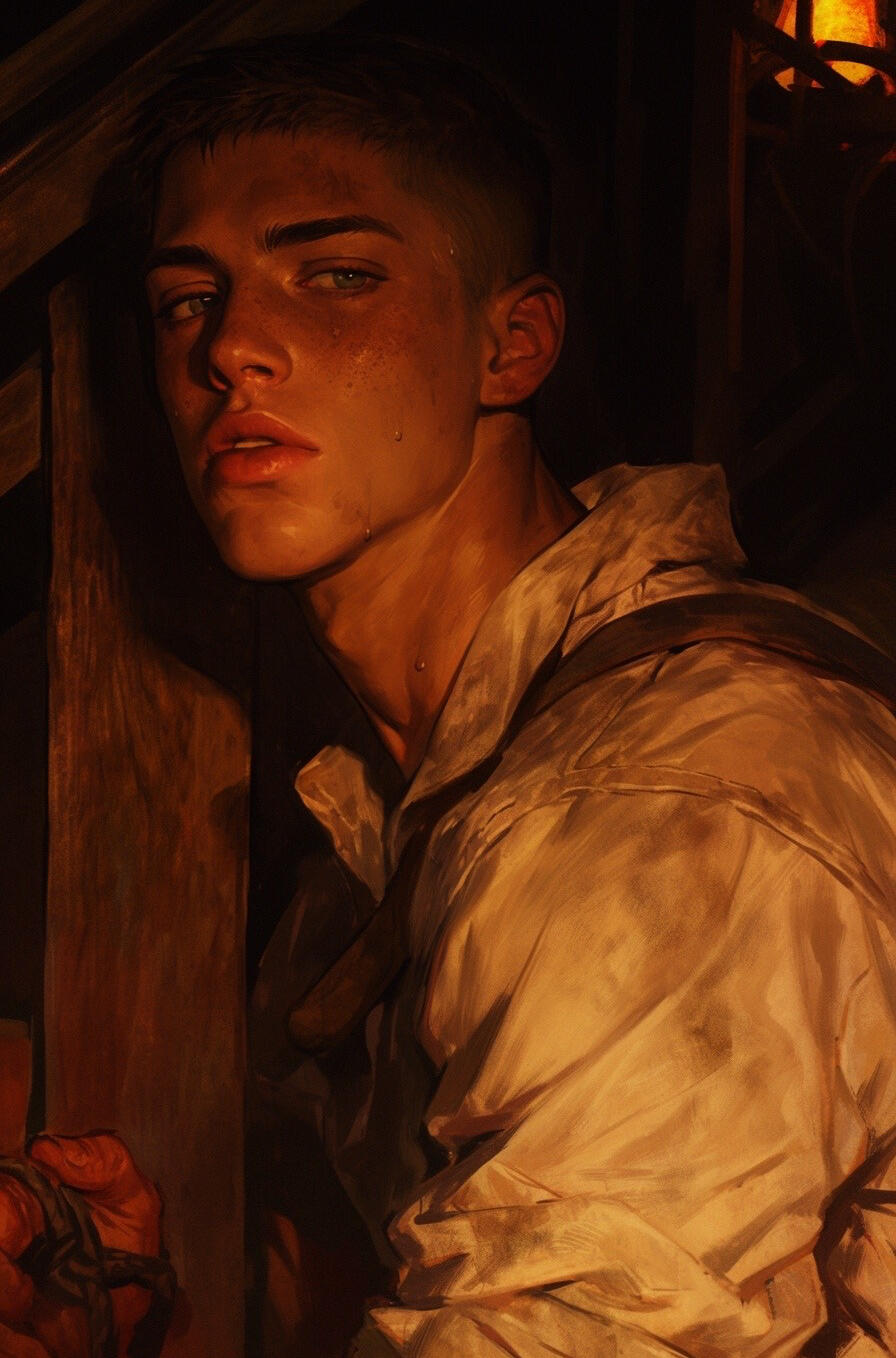
A stable boy employed at St. Augustine's Royal Foundation, Samuel came from a laboring London family and worked from a young age. He was known for his physical strength, reliability, and a fierce pride that refused the deference schoolboys expected from servants.Before his death, he maintained connections among staff and local residents. He had a younger sister who worked as a laundry maid at the school, and a romantic attachment who may have witnessed events connected to his death. A childhood acquaintance from a former employer, a family of higher standing, also survived him.Samuel became involved in the illegal boxing match after publicly confronting Magnus Grove over advances made toward his sister—a humiliation that led to Samuel being selected as Nathaniel Grenville's opponent. His death was officially ruled a riding accident along the Thames towpath in 1800. No formal investigation challenged this conclusion.Among servants and laborers, he was remembered as proud and capable. Among the gentlemen involved, he became an absence rarely spoken of but never entirely forgotten.
— THE Season.
ENGLAND, 1813
— A WORLD OF MASKS.
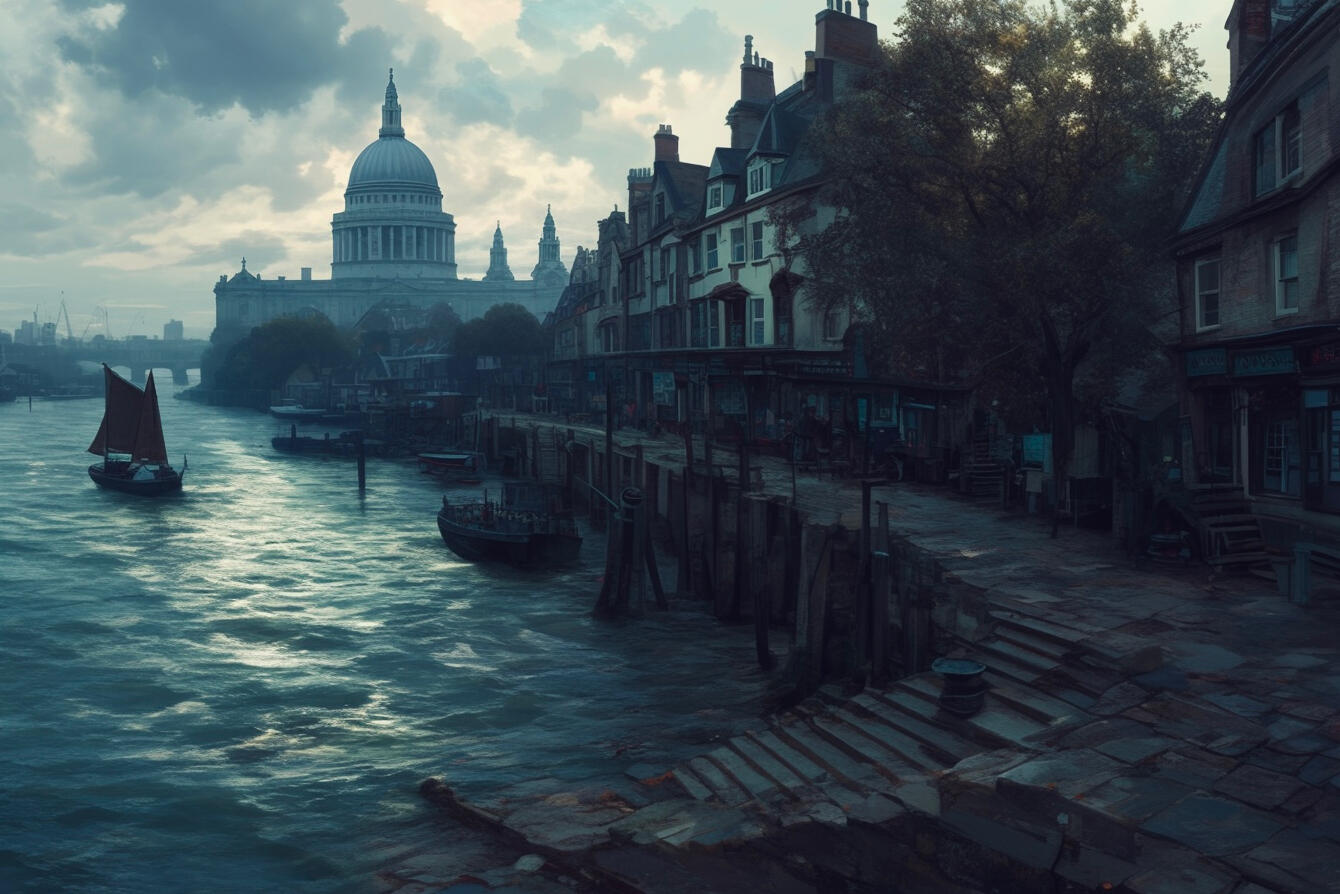
The London Season of 1813 is in full, glittering swing. It is late spring, and the days stretch long and soft, the kind of weather that makes Mayfair's streets hum with carriages and calling cards from noon until the small hours. The air smells of coal smoke and horse dung and the first blooms spilling over garden walls.In Hyde Park, the fashionable hour draws crowds to Rotten Row—gentlemen on prancing hunters, ladies in open carriages, all see and be seen. Almack's Assembly Rooms open their doors on Wednesdays, those hallowed halls where patronesses like Lady Jersey wield more power than most politicians, and where a waltz with the wrong partner can whisper ruin.By night, the great houses of Grosvenor Square blaze with candlelight, music spilling from open windows as ballrooms fill with silk and satin and the ceaseless, glittering dance of reputation-making.Yet beneath the polish, the war in Spain rumbles always at the edge of conversation, and the streets beyond Mayfair hold darker pleasures—gambling hells in Covent Garden, opium dens in the East End, a whole world the ton pretends does not exist. It is a city of masks, and everyone wears one.
STAGES
OF THE TON.
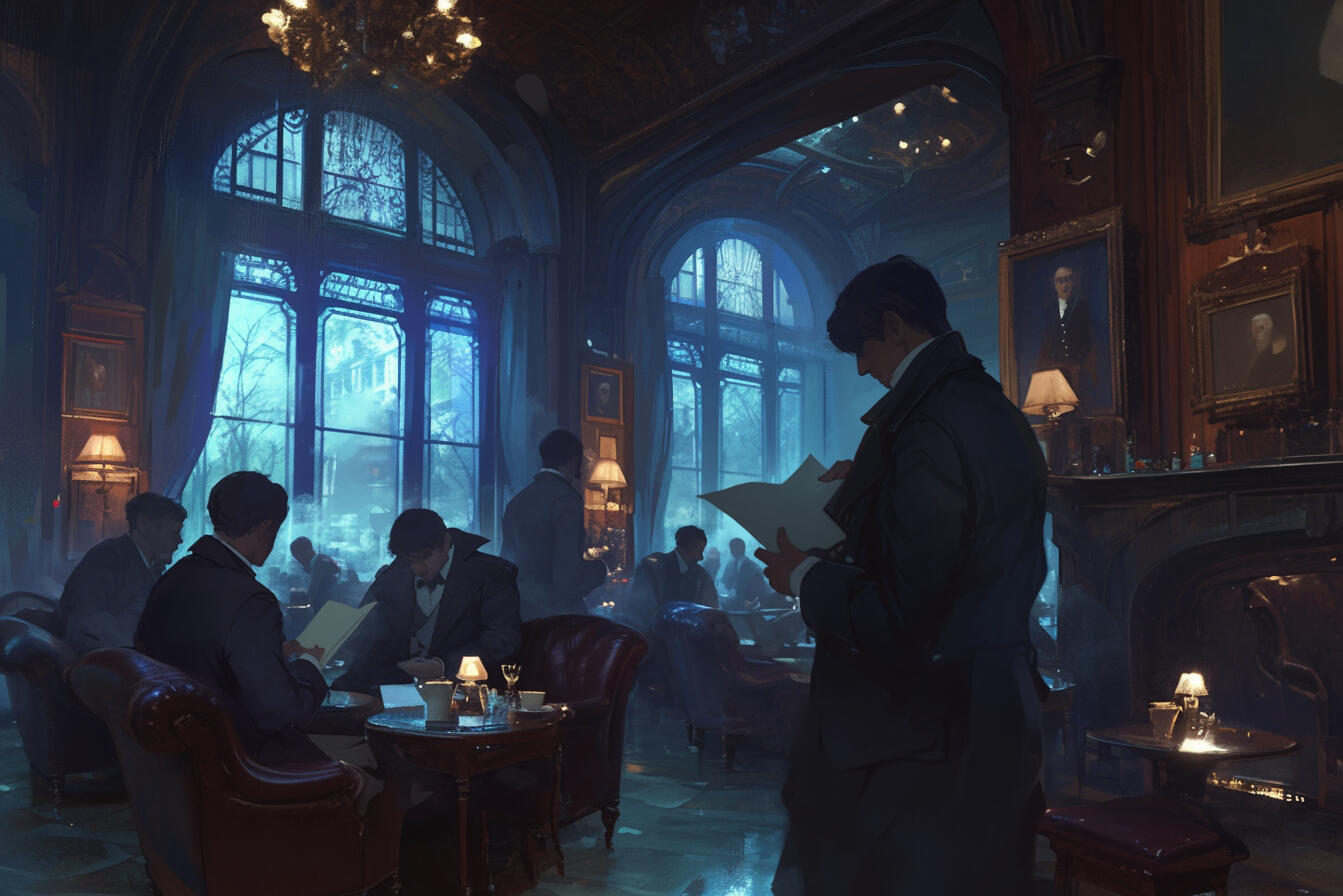
GENTLEMEN'S CLUBWhere reputations are made over cards and claret.Behind these exclusive walls, the powerful gather to gamble, debate, and conduct business away from female eyes. White's, Brooks's, Boodle's—each a fortress of male privilege where fortunes change hands and secrets are traded along with port.
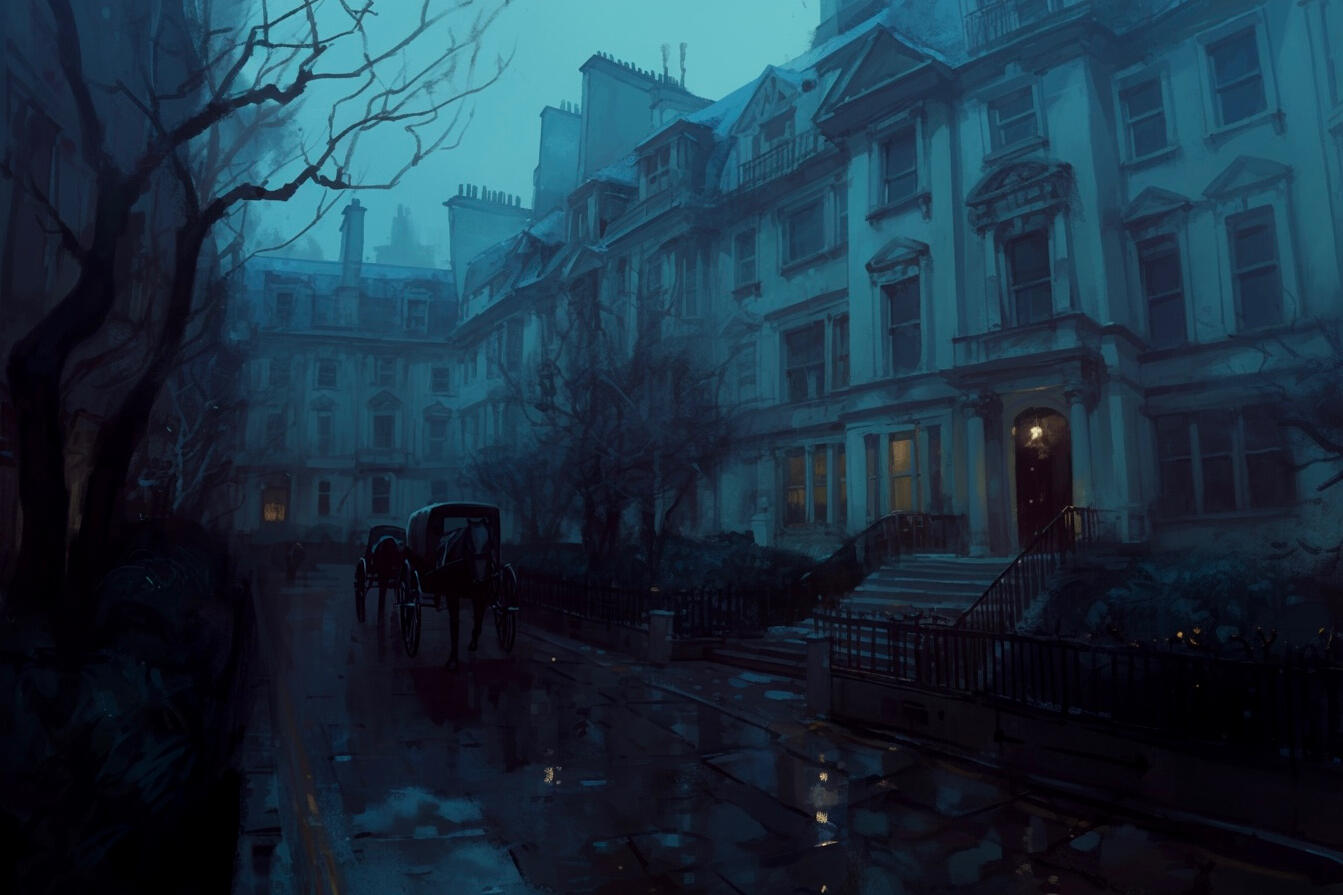
MAYFAIR TOWNHOUSESThe architecture of status.Elegant terraces line quiet squares, their facades concealing the complex machinery of aristocratic life. Behind every door: servants' whispers, morning calls, clandestine meetings, and the careful performance of respectability.
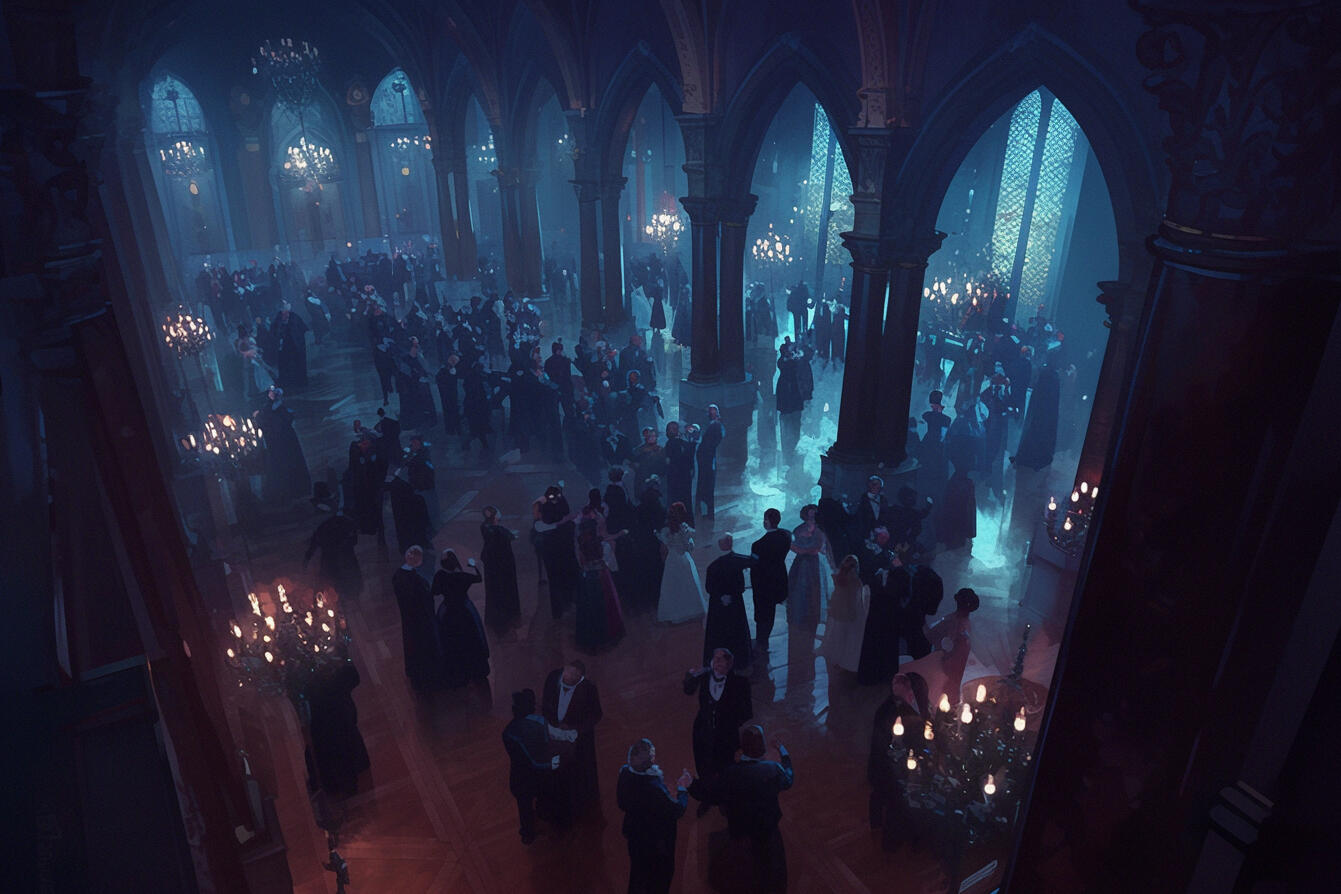
BALLROOMSThe marriage market on display.Chandeliers blaze over debutantes and dowagers, rakes and fortune hunters. Here, alliances form with every dance, reputations rise or fall with a single misstep, and the ton watches everything from behind fluttering fans.

HYDE PARKWhere society sees and is seen.Between five and six, the fashionable world parades along Rotten Row. Curricles compete with barouches, riders display their horsemanship, and chaperones pretend not to notice the glances exchanged behind their backs.
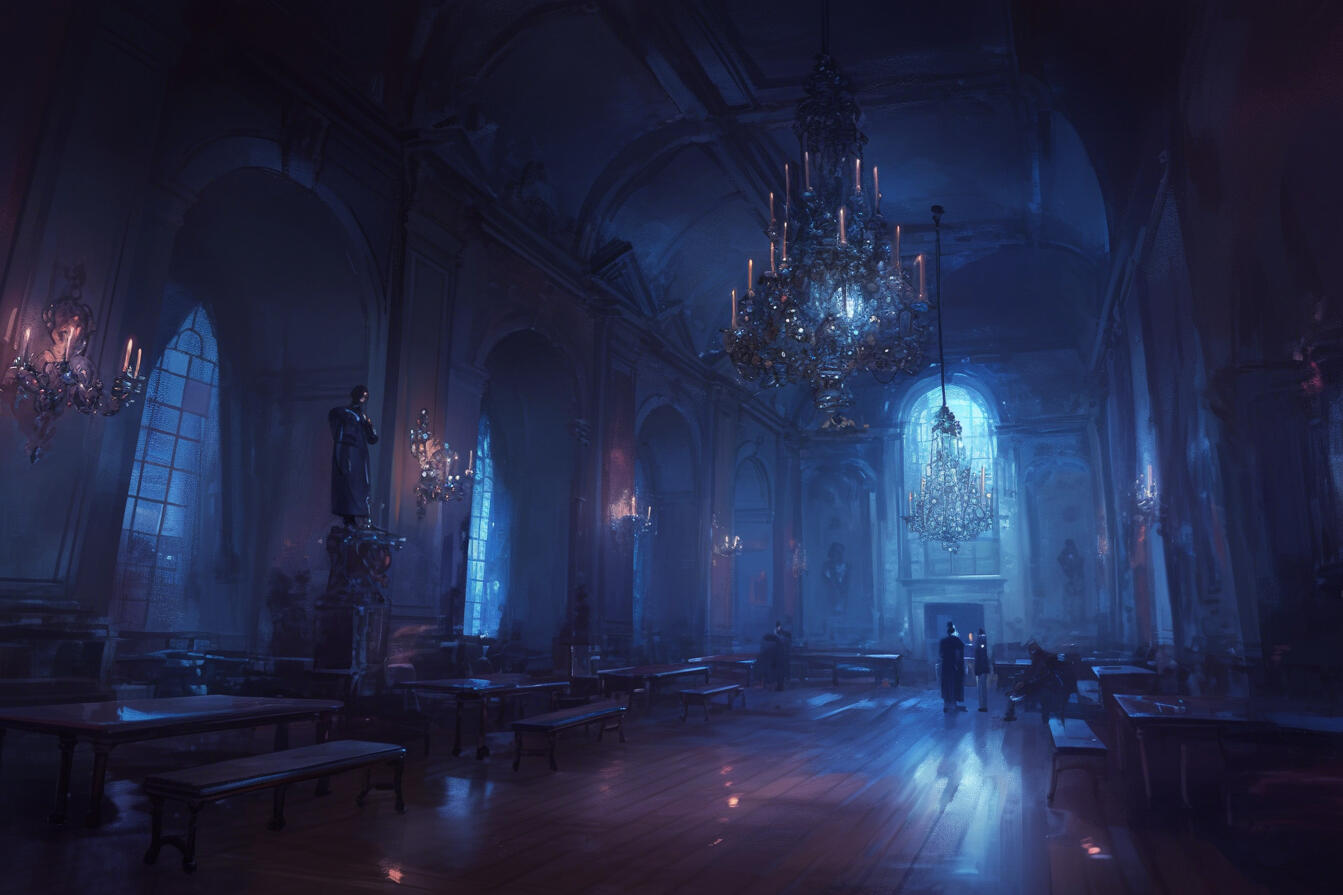
ALMACK’S ASSEMBLY ROOMThe gates of society.Wednesday nights at Almack's decide futures. Seven patronesses hold absolute power over admission. To be refused a voucher is social death; to waltz here is to announce oneself as marriageable. The rules are rigid, the stakes everything.

THE SERPENTINEPleasure and privacy on the water.Ladies drift in decorated barges while gentlemen row. Lakeside picnics offer rare moments of informality—and even rarer moments of unobserved conversation. The water reflects both sunshine and secrets.
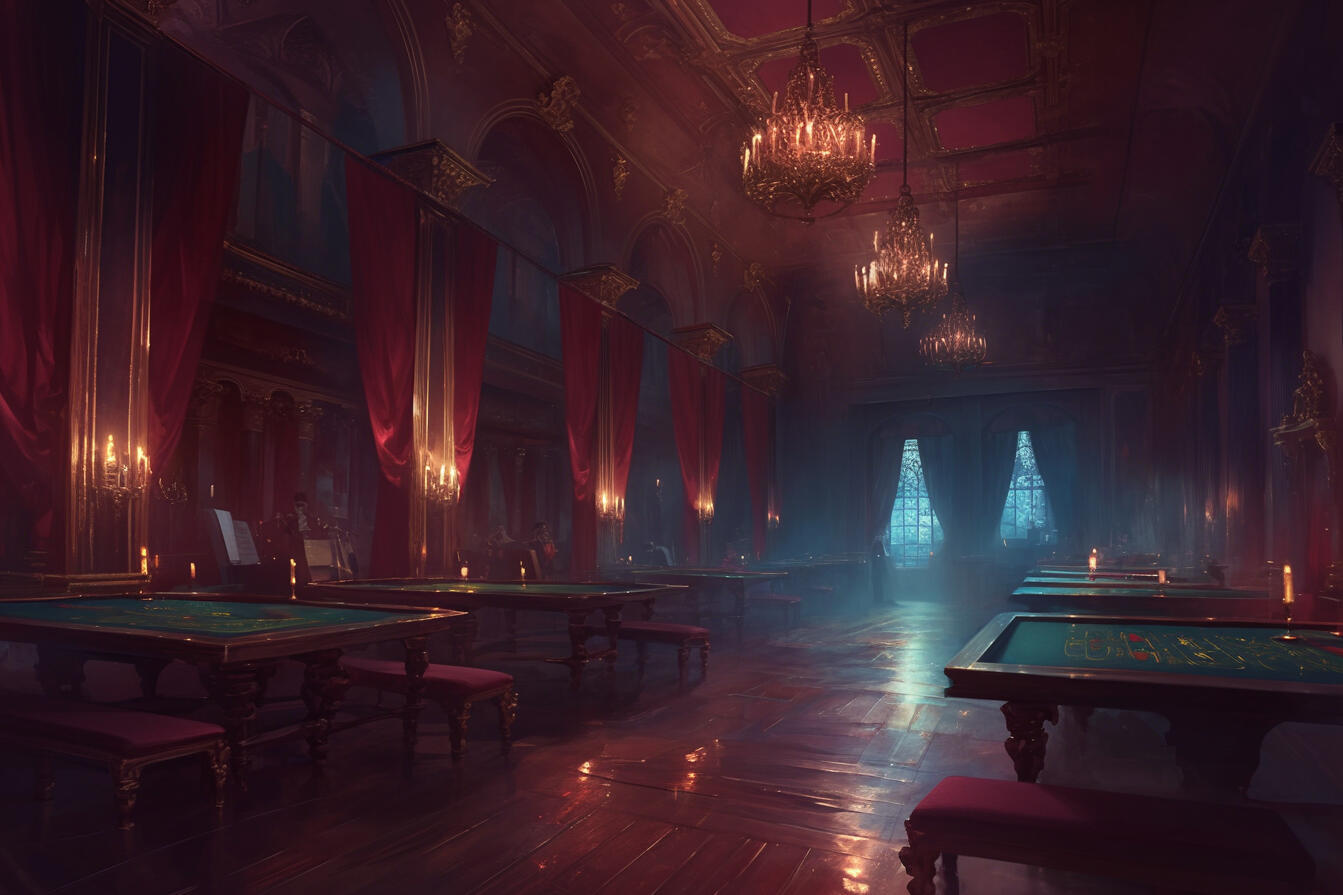
GAMBLING HELLWhere gentlemen lose more than money.Behind unmarked doors, faro and hazard strip young heirs of their inheritances. Proprietors smile while fortunes change hands. The brandy flows, the candles burn low, and by dawn, some men have ruined themselves entirely.
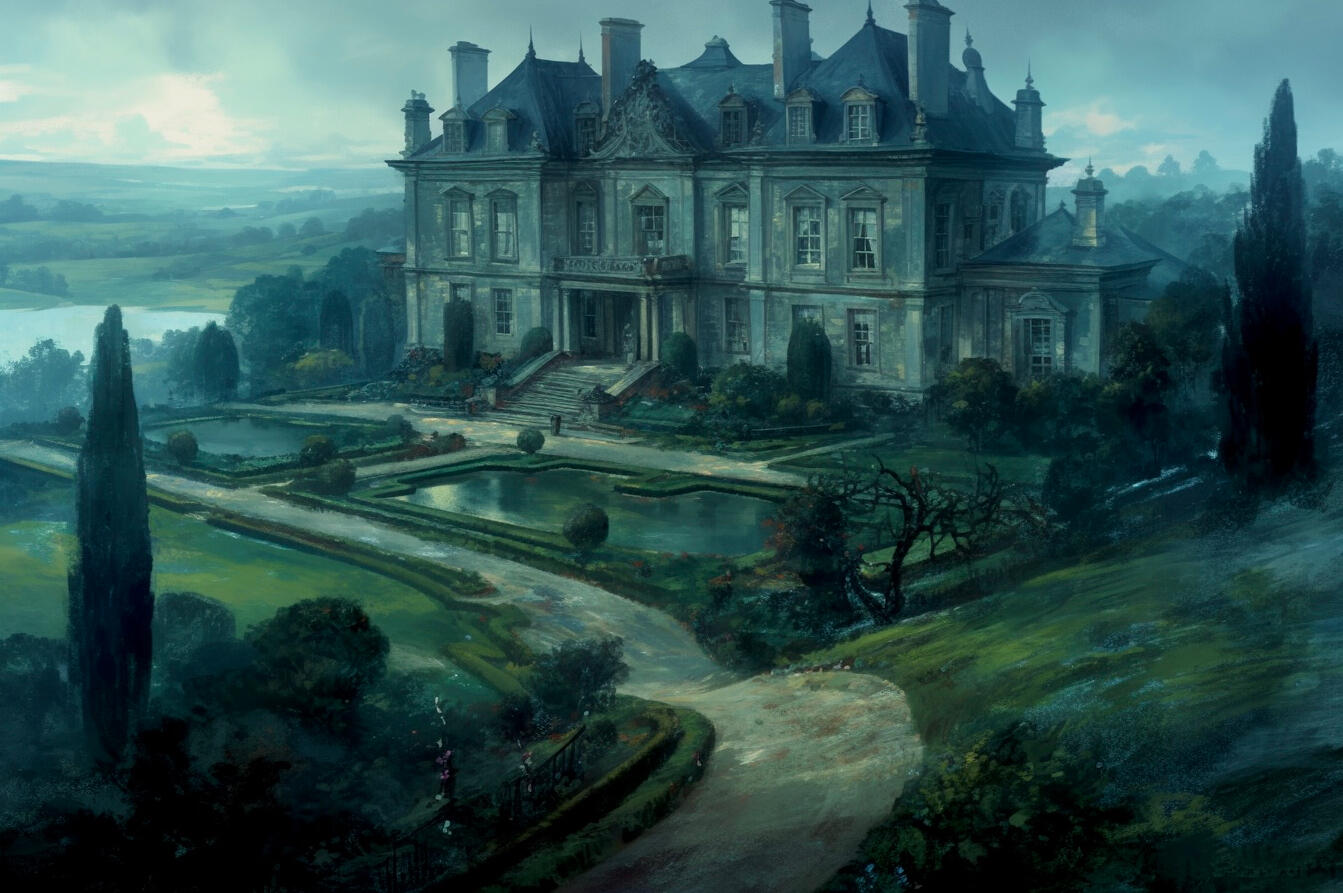
COUNTRY ESTATEThe source of it all.Beyond London's smoke lie the estates that fund the Season's glitter. Miles of parkland, generations of family portraits, tenants who depend on the lord's judgment. Here, heirs are raised and legacies are built—or squandered.
— THE Damned.
CONRAD WESTBROOK — Blewberry
PRESUMPTION NATHANIEL GRENVILLE — itsVii
WRATH XAVIER MORDECROFT — két
GREED Percival Seymour — didireally
INJUSTICE
MAGNUS GROVE — aewin
LUST ROHAN THORNE — iamfraulein
GLUTTONY DAMIEN CAMPBELL — Overlord Melvin
VAINGLORY PHINEAS HALE — Lilyknightz
COWARDICE
PIERS LANGLEY — bibbeltje
PRIDE ARTHUR SEYMOUR — malareissu
CRUELTY LUCIAN WESTBROOK — camicloud
SLOTH JOHNATHAN BLYHTE — pqpavslover
ENVY
THE ARCHITECTS.

CONRAD WESTBROOK PRESUMPTION.Assuming one is beyond consequence or guaranteed forgiveness, acting wrongly while believing oneself exempt from judgment

NATHANIEL GRENVILLE WRATH.Uncontrolled anger that seeks destruction or punishment, often disguised as justice

XAVIER MORDECROFT GREED.An insatiable desire to possess, accumulate, or control, never knowing when enough is enough

PERCIVAL SEYMOUR INJUSTICE.Knowingly denying others what they are due, abusing power, law, or position for selfish ends

MAGNUS GROVE LUST.The reduction of others to objects of desire, consuming intimacy without regard for personhood

ROHAN THORNE GLUTTONY.Excess without restraint, overindulgence that hollows rather than satisfies
THE ACCOMPLICES.

DAMIEN CAMPBELL VAINGLORY.Obsession with reputation, praise, image
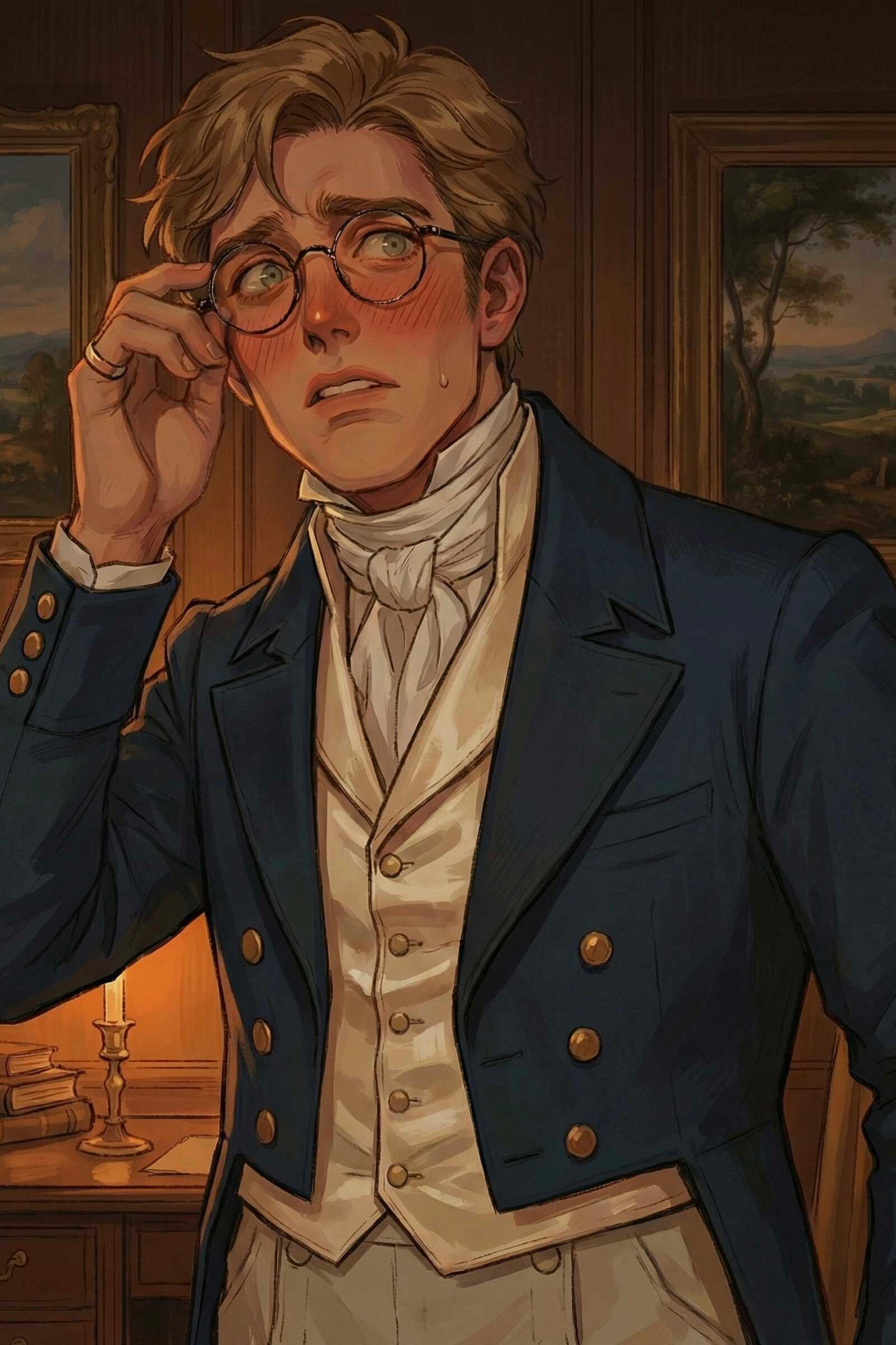
PHINEAS HALE COWARDICE.Refusal to act when action is morally required

PIERS LANGLEY PRIDE.The belief in one’s own superiority, placing the self above others, truth, or consequence

JONATHAN BLYTHE ENVY.Resentment toward another’s success, happiness, or worth, the urge to diminish what one cannot have

ARTHUR SEYMOUR CRUELTY.Pleasure in suffering, lack of mercy

LUCIAN WESTBROOK SLOTH.Spiritual and moral apathy, the refusal to care, act, or engage with responsibility